Autor: admin

  • How To Start Singing NOW | 30 Day Singer

    How To Start Singing NOW | 30 Day Singer – 30 Day Singer

    Video
    https://www.youtube.com/watch?v=eBEk4tOuWSQ

    Summary

    Summary

    In this text, the importance of using emojis in communication is emphasized. The speaker provides guidance on improving singing skills by focusing on breath support and proper vibrato production. They also recommend exploring various singing resources and applying learned techniques to experience progress. If experiencing breathing issues during singing, it’s essential to consider any underlying medical conditions or injuries.

    Highlights

    • Emphasis on using emojis in text for better understanding
    • Focus on breath support and proper vibrato production for improved singing skills
    • Utilize singing resources like YouTube channels and apply learned techniques for progress
    • Consider underlying medical issues if experiencing breathing problems during singing

  • I’ve been a vocal coach for 20 years, this is how you sing FOREVER

    I’ve been a vocal coach for 20 years, this is how you sing FOREVER – 30 Day Singer

    Video

    https://www.youtube.com/watch?v=kNS1ZDPGyFI

    Summary

    Summary

    To improve your vocal health, try these tips: explore new genres, do cardio exercises, engage in core strengthening activities, stretch your vocal folds, and maintain a healthy diet.

    For more information, visit 30day singer.com and subscribe to the channel for more singing tips.

    Highlights

    • Explore different musical genres to improve vocal flexibility.
    • Incorporate cardio exercises to enhance lung capacity and stamina.
    • Engage in core strengthening activities for better posture and breath control.
    • Stretch your vocal folds to maintain range and coordination.
    • Maintain a healthy diet to support overall voice health.

    Key Takeaways

    • Embrace emojis while reading.
    • Practice regularly to maintain vocal range and flexibility.
    • Incorporate exercises covering wide pitch ranges.
    • Experiment with different singing techniques, like using semi-closed sounds.
    • Engage in stretching and movement during practice for better results.
    • Take one or two rest days per week.
    • Visit 30day singer.com for easy step-by-step singing lessons.
  • The BEST way to keep your voice healthy – EASY singing lesson

    The BEST way to keep your voice healthy – EASY singing lesson – 30 Day Singer

    Video

    https://www.youtube.com/watch?v=FbXPfXmIBsY

    Summary

    Summary

    The text provides five daily habits to maintain a healthy singing voice:

    1. Hydration: Drink water and use a saline sinus rinse to keep the vocal folds hydrated.
    2. Vocal Exercise: Regularly exercise your vocal range with proper posture and guidance from videos or MP3s.
    3. Breaks from Practicing: Take breaks to release excess tension and enjoy singing without criticism.
    4. Speaking Voice: Treat speaking voice as part of the instrument, maintaining good posture and taking breaks for vocal rest.
    5. Listening to Body: Be aware of what fatigues or hurts the voice, and make adjustments accordingly.

    Highlights:

    • 🎶 Practice regularly to maintain a healthy singing voice
    • 🔝 Varying pitch when speaking can prevent voice fatigue
    • 👍 Treat your speaking voice as part of your instrument

    Key Takeaways:

    • 💡 Create a playlist with warm-up songs and karaoke tracks for easier practice
    • ✨ Regular practice keeps your voice in shape
    • 📹 Visit 30day singer.com for easy step-by-step singing lessons
  • Do this vocal WORKOUT if you want to get GOOD at singing

    Do this vocal WORKOUT if you want to get GOOD at singing – 30 Day Singer

    Video

    https://www.youtube.com/watch?v=KMTaX4DDRiY

    Summary

    Summary

    The video teaches four interval exercises to improve singing skills. It provides piano accompaniment and encourages viewers to sing along with numbered notes or the syllable „do.“ The exercises include ascending, descending intervals, and large leaps.

    Highlights

    • Four interval exercises from easy to hard.
    • Singing on numbers or syllable „do“.
    • Ascending and descending intervals with large leaps.
    • Piano accompaniment provided.
    • Speed up playback for a challenge.

    Key Takeaways

    • Practice singing with numbered notes or the syllable „do“ for better vocal training.
    • Try increasing the playback speed for an additional challenge.
    • Visit 30dayser.com for more easy singing lessons.
  • Sing Higher AND Lower The EASY Way For Beginners – How To Sing: Part 5 | 30 Day Singer

    Sing Higher AND Lower The EASY Way For Beginners – How To Sing: Part 5 | 30 Day Singer – 30 Day Singer

    Video

    https://www.youtube.com/watch?v=37gYT7-ObxQ

    Summary

    Summary

    Camille Singer from 30 Day Singer teaches exercises to help singers transition between chest and head voice, aiming to exercise the full vocal range.

    Highlights

    • Dopey Gee or Cuckoo Clock Sound Exercise helps with rounded lip formation, relaxed throat and open sound.
    • Strong Chest Voice Transition Exercise starts on different notes for different voices, using „hey“ and „yeah“ sounds that feel spoken with an „ooh“ sound.
    • Silly Sound for Strength Exercise uses a tongue-out „ma“ or „ah,“ keeping tongue relaxed outside the mouth while maintaining bright sound.

    Key Takeaways

    • Practicing these exercises can help singers transition smoothly between chest (speaking) voice and head (falsetto) voice.
    • Each exercise focuses on specific aspects of vocal technique, aiming to improve overall singing ability.
    • For more singing lessons, visit 30daysinger.com.
  • Opera singer shows you how it’s done – beginner’s guide to Opera vocals

    Opera singer shows you how it’s done – beginner’s guide to Opera vocals – 30 Day Singer

    Video

    https://www.youtube.com/watch?v=DdYyvNIgLA8

    Summary

    Summary

    Operatic singing differs from contemporary singing with elements such as using head voice and mix for higher voices, emphasizing free vibrato, and employing a lifted soft palate. Non-classically trained singers can explore the operatic style by practicing these techniques. A lifted palette in opera creates a more spacious and less bright sound, while a lowered larynx produces a darker tone quality.

    Highlights

    • Operatic singing uses head voice and mix for higher voices.
    • Free vibrato is crucial in classical technique.
    • Lifted soft palate helps improve tone quality.

    Key Takeaways

    • A lifted palette creates a rounder, less bright sound.
    • Lowered larynx results in a darker tone quality.
    • Practicing long exercise patterns challenges breath capacity and control for smooth legato.
  • The Real Reason I Took A Break… And Why I’m Back

    The Real Reason I Took A Break… And Why I’m Back – Rejoice In Your Voice – Tricia Leines

    Video

    https://www.youtube.com/watch?v=zLUqjI6kR34

    Summary

    Summary

    Trisha Pine, a singing instructor and vocal coach, shares her journey overcoming perfectionism, judgment, and fear through creating authentic music content. She encourages viewers to embrace creativity and stay aligned with their passion while sharing her own experiences and insights.

    Highlights

    • Embracing imperfection and letting go of perfectionism
    • Sharing personal growth through video content
    • Encouraging further learning for those seeking more guidance
    • Focusing on integrity in music creation and teaching

    Key Takeaways

    • Moving forward with each video as a tool for self-improvement
    • Accepting that not everyone will resonate with one’s approach
    • Finding alignment, focus, and congruence in one’s mission
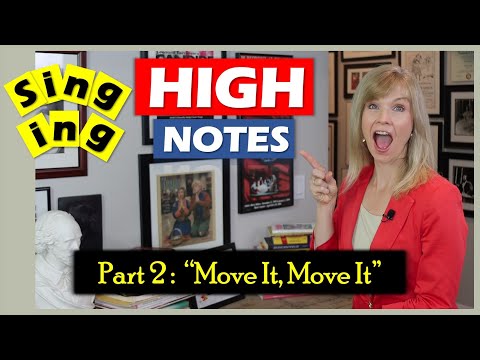
  • Voice Lessons: Sing Powerful High Notes Part 2

    Voice Lessons: Sing Powerful High Notes Part 2 – Rejoice In Your Voice – Tricia Leines

    Video

    https://www.youtube.com/watch?v=6juG5MQPzt4

    Summary

    Summary

    The transcript highlights the importance of relaxation and flexibility when singing high notes. It emphasizes the use of physical movements to achieve balance and authenticity. The practice involves experimenting with different exercises and techniques while remaining patient and open to learning.

    Highlights

    • 🎶 Singing requires balance, patience, and an authentic voice.
    • 💃 Physical movements can help relax larger muscle groups and improve flexibility.
    • ✌️ Emojis make the text more enjoyable and easier to read.

    Key Takeaways

    • 🔴 Focus on finding your own unique vocal style through exploration and practice.
    • 🎧 Stay open to learning from different sources, including online videos and tutorials.
    • 💬 Be patient with yourself and trust the process.
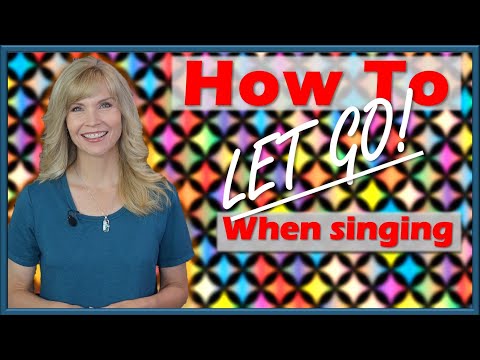
  • Singers – Having Trouble „Letting Go“ When Performing? Part 1

    Singers – Having Trouble „Letting Go“ When Performing? Part 1 – Rejoice In Your Voice – Tricia Leines

    Video

    https://www.youtube.com/watch?v=oygriOjA9yA

    Summary

    Summary

    The text discusses the importance of learning how to let go while singing for singers to fully express themselves. It encourages readers to define what „letting go“ means to them, explore their relationship with sound and communication, and build confidence through self-awareness and visualization techniques.

    Highlights

    • Emphasize self-awareness and compassion for oneself.
    • Encourage finding a balance between expressing oneself and not trying too hard.
    • Recognize that everyone comes from different backgrounds, and we can choose to make the best of any situation.

    Key Takeaways

    • Define „Letting Go“ and reflect on its meaning.
    • Explore your relationship with sound and communication in your upbringing.
    • Use visualization techniques to build confidence when performing.
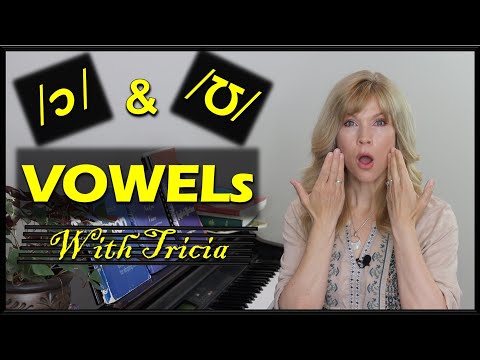
  • Find Freedom When Singing Vowels: Spotlight on the /ɔ/ as in „all“ and /ʊ/ as in „look“

    Find Freedom When Singing Vowels: Spotlight on the /ɔ/ as in „all“ and /ʊ/ as in „look“ – Rejoice In Your Voice – Tricia Leines

    Video

    https://www.youtube.com/watch?v=_-Kjd4TKKDM

    Summary

    Summary

    The transcript discusses the importance of practicing different vowel sounds, particularly ‚ooh‘ and ‚uh‘, to improve singing skills. The author explains how these vowels can affect lip positioning, jaw movement, and resonance. Practicing with various words and exploring their range helps individuals isolate specific vowel sounds for better vocal performance.

    Highlights

    • 🎶 Vowel sounds are crucial for singing.
    • 💃 Focus on proper tongue and mouth placement while singing.
    • 🎤 Pay attention to subtle differences between vowel sounds.
    • 👂 Listen to your unique regional accent for improved pronunciation.

    Key Takeaways

    • 🎵 Practice moving through vowels like „oo“ and „ah“.
    • 🔊 Be aware of nuances in vocalization to communicate effectively.
    • 🎙 Check for unnecessary tension and keep learning.
    • 💬 Ask questions in the comment section for further clarification.

    The transcript emphasizes the importance of understanding and mastering our vocal instrument by practicing vowel sounds, particularly the „round to open“ concept (referencing the lips). Emojis were used throughout the text to make it more readable and enjoyable for human readers. The author encourages everyone to explore these nuances in their vocal range and seek further clarification when needed.