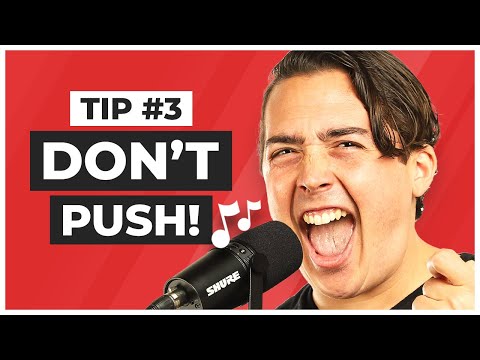
Autor: admin

  • #1 Mixed Voice Mistake (And How to Avoid It)

    #1 Mixed Voice Mistake (And How to Avoid It) – Ramsey Voice Studio

    Video

    https://www.youtube.com/watch?v=vBwVezluapY

    Summary

    Summary

    Singers often experience nasality in their mixed voice, making high notes sound nasal. To counter this issue, the „plug technique“ can be used to highlight any nasal resonance and improve vocal control.

    Highlights

    • Nasal exercises for finding mix voice may lead singers to think nasal singing is correct.
    • Larynx rising and unbalanced vocal support can cause tension and nasality.
    • Focus on building a strong mixed voice with the „plug technique“ while maintaining good tone.

    Key Takeaways

    • Practice scales with the „plug technique“ to eliminate nasal consonants and reduce nasality.
    • Nasal singing makes high notes easier, but it’s not ideal; focus on oral resonance instead.
    • The „M“ or „BBB“ exercise can help singers create smooth legato singing while relaxing the larynx.

    Emojis: 🎶🔊💭

  • Never Sung a HIGH NOTE? Easy Trick!

    Never Sung a HIGH NOTE? Easy Trick! – Ramsey Voice Studio

    Video

    https://www.youtube.com/watch?v=0cYpH6MuLqA

    Summary

    Summary

    The author discusses their struggle with hitting high notes while singing without straining their voice. They share their journey of learning various techniques and exercises from a vocal coach, such as blending chest voice and head voice, and using different vowels like „mum“ instead of „no,“ to achieve better vocal control and hit higher notes confidently.

    Highlights

    • Struggling to hit high notes without straining the voice is a common issue for singers.
    • Vocal exercises and techniques can help in achieving better vocal control.
    • Blending chest voice and head voice, using different vowels, and practicing mixed voice are some effective methods suggested by the author’s teacher.

    Key Takeaways

    • Emphasis on not pushing too hard or straining one’s voice while singing to avoid damage.
    • The importance of finding alternative techniques for hitting high notes without compromising vocal health.
    • Practicing daily exercises under the guidance of a skilled teacher can help in overcoming challenges related to singing.
  • Are You ACTUALLY in Mixed Voice? 5 Ways to Tell…

    Are You ACTUALLY in Mixed Voice? 5 Ways to Tell… – Ramsey Voice Studio

    Video

    https://www.youtube.com/watch?v=0j8Cz_sXxNQ

    Summary

    Summary

    Mixed voice is essential for singers as it provides flexibility in singing styles. To identify if you are using mixed voice, sing notes without breaking or straining, maintain an even vocal tone, notice similar resonance in low and high pitches, and adjust volume without affecting pitch or breaks.

    Highlights

    • 🎶 Mixed voice offers options to sing notes smoothly.
    • 📈 Identify if you’re using mixed voice by singing without breaking or straining.
    • 🎙️ Maintain even vocal tone for better performance.

    Key Takeaways

    • ✨ Mixed voice is the „Holy Grail of singing“ due to its flexibility.
    • 🔊 Ensure proper pitch and volume in mixed voice for better control.
  • Trick Yourself Into Mixed Voice!

    Trick Yourself Into Mixed Voice! – Ramsey Voice Studio

    Video

    https://www.youtube.com/watch?v=pnKfNDL4dPw

    Summary

    Summary

    In this transcript, singer Matt Ramsey teaches a trick for singing in mixed voice by blending the bottom and top parts of one’s voice together, making it easier to transition from chest voice to head voice without strain.

    Highlights

    • Connect bottom and top part of your singing voice (mixed voice)
    • Struggling singers strain when reaching higher notes
    • Practice starting from the bottom of the scale to build mix voice

    Key Takeaways

    • Find the note by any means necessary, e.g., falsetto
    • Once found, practice starting from the bottom of the scale
    • Demonstration for both male and female singers
  • Fix Your Vocal Break With This Exercise!

    Fix Your Vocal Break With This Exercise! – Ramsey Voice Studio

    Video

    https://www.youtube.com/watch?v=gSXS7-jw3tc

    Summary

    Summary

    Vocal coach Matt Ramsey explains how to use an octave and a half arpeggio as a vocal exercise to reduce tension when hitting higher notes. He emphasizes the importance of relaxing the larynx slightly and using various sounds, such as „goo goo goo“ or „gug gug,“ which help singers achieve a fuller, richer tone without breaking.

    Highlights

    • 🎶 Using an octave and a half arpeggio for vocal exercises.
    • 💉 Relaxing the larynx to reduce tension and strain on the voice.
    • 🌟 Emphasizing consistency and thickness in the sound when reaching high notes.

    Key Takeaways

    • 🔴 Practicing „goo goo goo“ or „gug gug“ sounds to relax the larynx and achieve a fuller tone.
    • 🎵 Incorporating various vocal exercises into your singing routine for improved range and control.
    • 📈 Gradually increasing the difficulty level of exercises as you progress in your singing journey.
  • How to NAIL the HIGH NOTES every time – Simple Trick!

    How to NAIL the HIGH NOTES every time – Simple Trick! – Ramsey Voice Studio

    Video

    https://www.youtube.com/watch?v=2DrKBZ5zcnM

    Summary

    Summary

    A teenager struggling with high notes discovers NoFX, which challenges them with intense lyrics. They feel confident jamming with a friend, even though they struggle with hitting some notes. After discovering a method for hitting high notes using a bratty nasal sound, they write down a mission statement to find their „fat mic voice.“

    Highlights

    • 🎵 Teenager discovers NoFX and challenges themselves with high notes.
    • 🤗 Feeling confident jamming with friends.
    • 💡 Discovering a technique for hitting high notes with power.

    Key Takeaways

    • 🎶 Embrace challenges in music to improve skills.
    • 🔊 Use unique techniques like the bratty nasal sound to hit high notes.
    • 📝 Write down personal mission statements to focus on growth.
  • Vocal Compression: NOT What You Think!

    Vocal Compression: NOT What You Think! – Ramsey Voice Studio

    Video

    https://www.youtube.com/watch?v=x2_Ou8M73ww

    Summary

    Summary

    Vocal compression, also known as glottal compression, is a technique used to achieve a full and warm vocal tone by closing the vocal cords completely and allowing them to vibrate against the air from the lungs. This differs from musical instrument or DAW compression which deals with volume levels. Vocal compression indirectly affects volume through increased vibrations when the cords come together. The ideal singing technique balances muscle and air for perfect flow phonation, avoiding breathy phonation.

    Highlights

    • 🎶 Vocal compression is a vocal technique distinct from music compression.
    • 🌬️ Balanced flow phonation requires an even balance of muscle and air throughout the range.

    Key Takeaways

    • Achieving balanced compression avoids pressed or breathy phonation.
    • A recording can help assess if there’s too much or not enough compression.
    • Exercises for guys include D3 with a bratty, brass sound; for ladies, G3 with a resonant tone.

    Remember: Compression is essential in enhancing vocal quality and avoiding breathiness or tightness in singing.

  • How to Keep An Open Throat When You Sing

    How to Keep An Open Throat When You Sing – Ramsey Voice Studio

    Video

    https://www.youtube.com/watch?v=hLTF24Fcofc

    Summary

    Summary

    Singing with an open throat is a misconception as the throat contains various parts that interfere with this idea. People may feel they are singing well when experiencing an open throat sensation, which often occurs due to more vocal cord closure rather than singing too breathily or tightly. To achieve this feeling, try singing a three-tone arpeggio on „ah“ and compare it to the closed-vocal-cord sensation.

    Highlights

    • There is no such thing as an open throat in singing.
    • More vocal cord closure creates the feeling of an open throat.
    • Singing with an „e“ vowel creates a deceptive sense of openness.
    • Lower larynx position leads to looser cords, which can be achieved through exercises like pretending to yawn while singing.

    Key Takeaways

    • It’s crucial for each individual to find their own sensation of an open throat in singing.
    • Larynx position and personal feedback from professional courses are important factors to consider when improving vocal skills.
  • How to Get Your Voice Back Again!

    How to Get Your Voice Back Again! – Ramsey Voice Studio

    Video

    https://www.youtube.com/watch?v=IrLVhgTBeUg

    Summary

    Summary

    To revive your voice quickly and prevent further damage, follow these steps: rest, stay hydrated, use gentle techniques for clearing your throat, and avoid caffeine and alcohol. These tips, along with proper vocal exercises, can help you recover from temporary hoarseness or vocal trauma.

    Highlights

    • Emphasis on easy and slow progress.
    • Four tips for vocal recovery include good sleep, hydration, steaming your voice, and understanding water absorption time.
    • Vocal exercises to stretch and relax the voice are demonstrated in today’s video.

    Key Takeaways

    • Steam from a hot shower or personal steamer can hydrate vocal cords.
    • Rest and get enough sleep before performances.
    • Warm up with lip trills and yawning arpeggios.
    • Relax your larynx to loosen up vocal cords.
  • 10 Singing Techniques to Improve Your Voice

    10 Singing Techniques to Improve Your Voice – Ramsey Voice Studio

    Video

    https://www.youtube.com/watch?v=Sqjvl35YeZk

    Summary

    Summary

    The speaker explains how lip trills can enhance singing by creating a smooth, connected sound. They provide exercises for building vocal range and recommend focusing on breathing and using specific vowels to reach high notes effectively.

    Highlights

    • 🎶 Emphasize the importance of lip trills in singing.
    • 🔊 Use various exercises to build vocal range and control.
    • 💡 Incorporate specific vowel sounds to improve performance.

    Key Takeaways

    • 🎤 Lip trills help create a smooth, connected sound when singing.
    • 🎧 Practice octave and a half scale with consistent „g“ sound.
    • 🎈 Use techniques like bratty ney exercise and ugly vowels for improved high notes.