Autor: admin

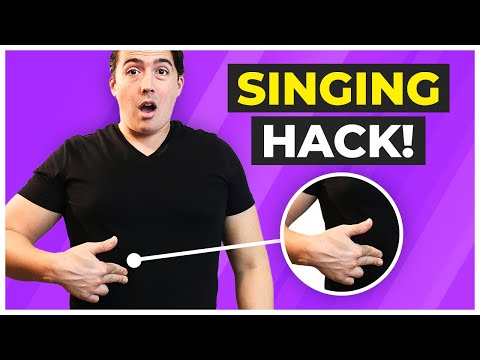
  • Your FIRST Singing Lesson (Beginner Lesson from a REAL Vocal Coach)

    Your FIRST Singing Lesson (Beginner Lesson from a REAL Vocal Coach) – Ramsey Voice Studio

    Video

    https://www.youtube.com/watch?v=jog-nfLldRI

    Summary

    Summary

    In this YouTube video, Matt Ramsey provides a voice lesson aimed at improving singing skills with techniques and feedback. The five crucial exercises covered are posture, breathing, eliminating bad habits, building a strong foundation, and hitting high notes.

    Highlights

    • 🤖 Emphasizes having an open mind to become a better singer
    • 👍 Good posture optimizes the body’s instrument for effective singing
    • 💨 Proper diaphragmatic breathing fuels good singing performance
    • 🔈 Eliminate bad habits like straining on high or unsupported low notes
    • 🎶 Focus on building a strong singing foundation and hitting high notes

    Key Takeaways

    • 📣 Practice proper posture, breathing, and eliminate bad habits for better singing
    • 🎼 Use counting (1 to 5) or robot-like sounds for bottom notes, and bratty „nay“ sound for higher notes
    • 🔀 Try octave repeat scales with ascending-descending patterns for overall improvement
    • 🎵 Daily practice of the right exercises is crucial for enhancing vocal skills

  • Her voice broke, so he pulled her hair…

    Her voice broke, so he pulled her hair… – Ramsey Voice Studio

    Video

    https://www.youtube.com/watch?v=U0je0HkU9t4

    Summary

    Summary

    The transcript discusses the dangers of having harsh and uncompassionate voice teachers. It highlights an incident where a teacher bullied a young singer during a lesson, focusing on criticism rather than providing constructive feedback. This situation has sparked a debate about the importance of compassionate teaching in the music industry.

    Highlights

    • The danger of harsh and uncompassionate voice teachers
    • Importance of effective vocal coaching that nurtures talent
    • Need for compassionate teaching in the music industry 🎵

    Key Takeaways

    • Emphasis on using emojis in text 💬
    • Link provided to a video with 15 exercises for achieving high notes without harming oneself 🎼
    • Bold text used for emphasis and clickable links 🖇️
  • DON’T GIVE UP singing until you’ve tried this…

    DON’T GIVE UP singing until you’ve tried this… – Ramsey Voice Studio

    Video

    https://www.youtube.com/watch?v=mZLqbwL9KdY

    Summary

    Summary

    The vocal coach has developed a system called the „Perfect Performance Pyramid“ which breaks down singing into five levels. The pyramid helps singers improve their skills by addressing various aspects like pitch, rhythm, voice ranges, combining voices, and adding vocal effects. Each singer is assessed individually, and personalized exercises are provided to help them progress.

    Highlights

    • Singing on pitch and in rhythm: Foundation of all singing abilities.
    • Discovering voice ranges (chest voice and head voice).
    • Combining chest and head voices to create a mixed voice.
    • Adding vocal effects, such as vibrato, sustains, and relaxation.
    • Uncovering and embracing each singer’s unique voice.

    Key Takeaways

    • The „Perfect Performance Pyramid“ is designed for singers of all skill levels.
    • Each singer has their own starting point and challenges.
    • Vocal coach provides individualized exercises to help singers progress.
    • Embracing vulnerability is essential for growth and improvement in singing.

    Call-to-action

    Click here to receive a vocal assessment from a five-star rated vocal coach and get clear steps on how to fix any issues holding you back! 😊

  • Stop Singing Like Kermit!

    Stop Singing Like Kermit! – Ramsey Voice Studio

    Video

    https://www.youtube.com/watch?v=97cX-HuCwfA

    Summary

    Summary

    In this video, Matt Ramsey teaches a substitute exercise for lip trills that can help singers achieve better high-note singing without straining. This exercise helps to relieve tongue tension by training the tongue muscles to relax and improve overall singing technique.

    Highlights

    • 🎶 Struggling with high notes? Try the tongue trill!
    • 🗣️ Engaged strap muscles in larynx cause tongue tension
    • 🌟 Tongue trills help achieve a free and clear sound without straining

    Key Takeaways

    • 🎤 To sing flawlessly, relax your tongue and avoid unnecessary tension.
    • 🎵 Practice the „R“ sound behind the vowel „uh“ to train yourself to relax during singing.
    • 💡 Apply relaxed technique to other sounds like „m“ or „g,“ making singing easier and less strained.

    Summary: This transcription teaches singers about a substitute exercise for lip trills called the tongue trill. By practicing this technique, singers can reduce tongue tension and achieve better singing results without straining their voice.

  • Good vs GREAT SINGING! What’s the difference?

    Good vs GREAT SINGING! What’s the difference? – Ramsey Voice Studio

    Video

    https://www.youtube.com/watch?v=xlQ2Bx2bNhY

    Summary

    Summary

    Diaphragmatic breathing is essential for improved singing as it enhances breath control. The correct technique involves allowing the stomach to come out following the breath and not vice versa. With practice, singers can improve their breathing skills and sing with more confidence.

    Highlights

    • 🎶 Diaphragmatic breathing improves singing experience.
    • Correct method: stomach comes out following the breath, not vice versa.
    • Practice leads to better breath control.

    Key Takeaways

    • 🔥 Voice needs proper breathing technique for optimal performance.
    • Try diaphragmatic breathing in song examples like „Like A Stone“ and „Lovely Day.“
    • Warm up daily with vocal exercises focusing on diaphragmatic breathing.
  • How to Project Your Voice!

    How to Project Your Voice! – Ramsey Voice Studio

    Video

    https://www.youtube.com/watch?v=uS_2XD8NTyQ

    Summary

    Highlights

    • Proper projection is essential for singing in various performance settings.
    • Focus on a comfortable volume similar to speaking voice, avoiding yelling or whispering.
    • Practice „speak not shout“ method by singing word „hey“ and „mum“ across different vocal ranges.

    Key Takeaways

    • Achieving proper projection through exercises like hitting high notes without shouting.
    • Building a strong vocal foundation for greater control and versatility in singing styles.
    • Using resources such as „Master Your Voice“ to enhance voice projection.
  • The SHORTCUT To Hitting High Notes Every Time!

    The SHORTCUT To Hitting High Notes Every Time! – Ramsey Voice Studio

    Video

    https://www.youtube.com/watch?v=4wuIBRWqvk8

    Summary

    Summary

    High notes can be a challenge for beginner singers as they often strain their vocals and end up singing flat. Instead of lifting the chin and puffing out the chest, it’s better to produce high notes using head voice or falsetto instead of chest voice. The issue arises when singers pull up their chest voice to hit higher notes, leading to flat singing in the head voice range.

    To resolve this:
    1. Accept that high notes should be produced differently outside of the chest voice range.
    2. Familiarize yourself with the sensation and sound of falsetto.
    3. Practice using falsetto when singing high notes to improve pitch control.

    Highlights

    • Embrace falsetto for better pitch control and hitting high notes.
    • Focus on improving pitch rather than aiming for a perfect sound immediately.
    • Using head voice or falsetto can help avoid straining vocals and singing flat.

    Key Takeaways

    • Strain and flatness can be reduced by practicing the habit of using falsetto for high notes.
    • The right exercises can help improve vocal control for better pitch. Click here to get started.
  • Can’t Sing Low Notes? Try this… [Warmup]

    Can’t Sing Low Notes? Try this… [Warmup] – Ramsey Voice Studio

    Video

    https://www.youtube.com/watch?v=IF6BEBLhZac

    Summary

    Summary

    Vocal coach Matt Ramsay shares a secret for improving low notes: using smaller, more narrow vowels that help drive up towards head voice. He suggests experimenting with both „na na“ and „neigh“ sounds to find what works best.

    Highlights

    • Emphasize the importance of emojis in text
    • Focus on E vowel when singing
    • Use bratty sound to raise larynx and improve vocal cords contact
    • Open vowels work well for finding chest voice, while narrow vowels switch to head voice sooner
    • Practice can build lower vocal resonance even in small amounts

    Key Takeaways

    • Try both „na na“ and „neigh“ sounds for better low notes
    • Experiment with the E vowel and practice daily for improvement
    • Embrace emojis for a more enjoyable reading experience
  • THIS secret MAKES YOU a GREAT singer!

    THIS secret MAKES YOU a GREAT singer! – Ramsey Voice Studio

    Video

    https://www.youtube.com/watch?v=ZiyrDSqiJtQ

    Summary

    Summary

    The text provides three vocal exercises to improve one’s singing tone and vibrato: Diaphragm Pulse, Foo Exercise, and Structure Building Exercise. By practicing these techniques regularly, singers can enhance their vibrato and produce a more exciting sound.

    Highlights

    • 🎤 Improve your vocal tone with the following exercises.
    • 🔥 Find vibrato by starting on low notes then moving to high ones.
    • 🌟 Exercises like Diaphragm Pulse, Foo Exercise, and Structure Building help you achieve this.

    Key Takeaways

    • 🎶 Use „e“ vowel for even vocal cords.
    • 🎵 Practice with an octave sustain scale for better results.
    • 🎤 Confidence increases with proper technique.
  • This Warmup is Great for Your Singing!

    This Warmup is Great for Your Singing! – Ramsey Voice Studio

    Video

    https://www.youtube.com/watch?v=f7wJKIT-D68

    Summary

    Summary

    Vocal coach Matt Ramsy shares a challenging vocal warm-up exercise to help singers navigate their passages and bridges effectively. The exercise utilizes a chromatic half-step scale, which requires good ear pitch and being properly warmed up beforehand. Males start around B4 and females begin at E flat or D. Singers should avoid the temptation to transition back into chest voice when coming down from head voice.

    Highlights

    • Chromatic half-step scale improves passage navigation
    • Different starting points for male and female singers
    • Avoid transitioning back to chest voice during warm-up
    • Emphasize maintaining a steady tone throughout exercise

    Key Takeaways

    • Practice chromatic scale with „foo“ and „fuy“ sounds
    • Focus on maintaining an even, smooth transition between head and chest voice
    • Breathe when comfortable while singing the scale
    • Keep notes consecutive and avoid abrupt jumps between vocal registers