Natural fibers and what they’re good at | FABRIC GUIDE | Justine Leconte – Justine Leconte officiel
Video
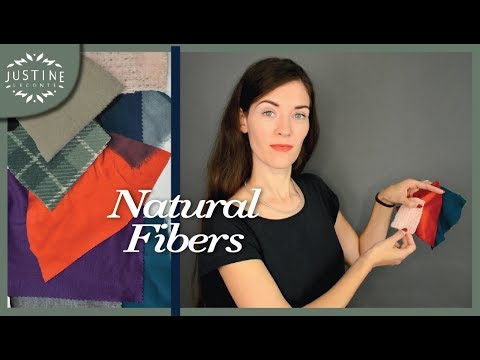
https://www.youtube.com/watch?v=PzdqTIXBZC8
Summary
### Summary
The text explores the differences between natural fibers like cotton, linen, wool, and silk, each with their unique properties. Wool is warm, has a heather effect but may shrink if mishandled, while silk is resistant and highly absorbent but expensive and not wrinkle-resistant. Cotton tends to shrink and can be frustrating. Mixing natural fibers with synthetic ones or developing new sources of natural fibers are potential solutions. Cellulosic fibers include viscose, modal, and tensile which are known for their coziness and offer flexibility in production. Creative materials such as mushrooms, milk, and recycled materials can also be turned into cellulose yarns. More innovations are expected in the future but will be explored in future talks. The text promises a discussion on synthetic fibers and their uses in the next session.
Highlights
- 🌾 Cotton: Rough, dirty, good absorbency, used in different weights and weaves, tends to shrink when washed
- 🌿 Linen: Shiny, lustrous, resistant but wrinkles easily, washable, historically significant
- 🐑 Wool: Warm, retains air, absorbs moisture, known for heather effect, may shrink if mishandled
- 🦋 Silk: Expensive, doesn’t wrinkle, doesn’t peel, expensive, not wrinkle-resistant
- 🌳 Ways to compensate for weaknesses: mix natural fibers with synthetic ones or develop new sources of natural fibers
- 🌿 Cellulosic fibers: viscose, modal, tensile, known for coziness, flexible in production
- 🌱 Creative materials can be turned into cellulose and subsequently yarn (mushrooms, milk, recycled materials)
Key Takeaways
- 🌿 Cellulosic fibers offer a range of possibilities in the textile industry
- 🎨 Creative materials can be utilized for various purposes in the fabric world
- 🚀 Innovations in this area are expected to emerge in the future
Schreibe einen Kommentar