Synthetic fibers and what they’re good at | FABRIC GUIDE | Justine Leconte – Justine Leconte officiel
Video
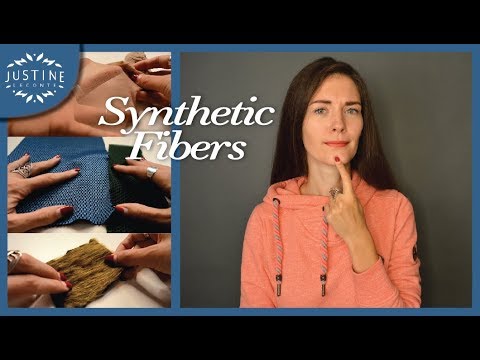
https://www.youtube.com/watch?v=O4MCidWwJQA
Summary
### Summary
In this transcript, the speaker discusses synthetic fibers and their types, including Rayon, Acetate, Nylon, Polyester, and Microfiber. The main advantage of synthetic fibers is their customizable nature, but they may also present challenges in terms of care and identification. Polyester, for instance, is hydrophobic and doesn’t wrinkle, but it retains oil and can be improved by mixing with other fibers. Microfiber has evolved to become more flexible and breathable.
Highlights
- Synthetic fibers are man-made and do not come from natural raw materials or are processed in a very chemical way.
- There are three main types of synthetic fibers: Rayon, Acetate, Nylon, Polyester, and Microfiber.
- Polyester is hydrophobic and doesn’t wrinkle, but it retains oil and can be improved by mixing with other fibers.
- Microfiber has evolved to become more flexible and breathable.
Key Takeaways
- Synthetic fibers offer more customization options compared to natural fibers but may have their own set of challenges regarding care and identification.
- Mixing synthetic and natural fibers creates fabric qualities that feel great on the skin.
- Science advancements are improving synthetic fibers, making them more versatile and better for various purposes.
Schreibe einen Kommentar