How do microphones work? Different microphone types and their characteristics explained – Mixed Signals
Video
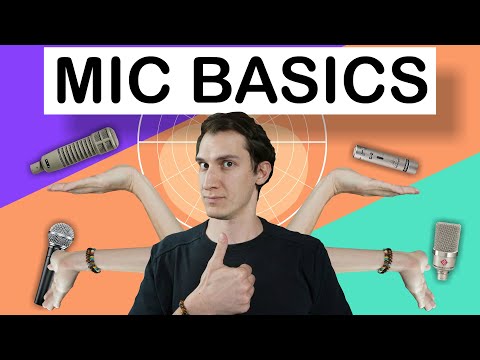
https://www.youtube.com/watch?v=ecPUTGDX5cw
Summary
### Summary
- Mixed Signals episode discusses various microphone types, their characteristics, and functionalities.
- Microphones convert sound waves into electrical signals through transducers.
- Dynamic microphones use electromagnetic induction for audio signal conversion; condenser and ribbon mics also exist.
- Condenser microphones require external power and offer superior sound quality compared to dynamic mics.
Highlights
- Dynamic Microphone: Low sensitivity, doesn’t pick up background sounds, reacts well to loud sounds.
- Condenser Microphone: Uses metal plates as a capacitor, needs external power (active), has a loudness threshold.
- Phantom Power: Sends 48V electrical signal to condenser microphones.
- Max Sound Pressure Level (Max SPL): Threshold above which signal starts to distort in condenser mics.
Key Takeaways
- Condenser and ribbon mics are more fragile and expensive than dynamic microphones.
- Dynamics and condensers are the two most common microphone types.
- Ribbon mics are thin and fragile, while shotgun mics are highly directional and used in film/TV.
Schreibe einen Kommentar